


-
2018-09-12150碟子
-
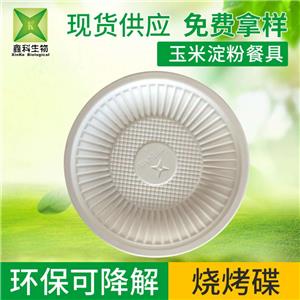
2018-09-13一(yī)次(cì)性環保餐具-碟子
-
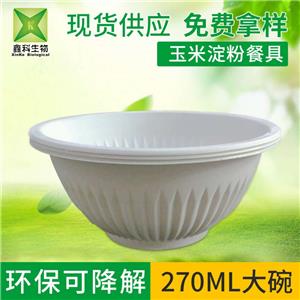
2018-09-14一次性可降解餐具-270ml碗
-
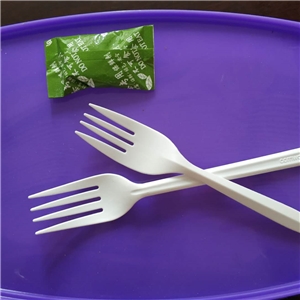
2018-09-14一次性餐具-叉子
-
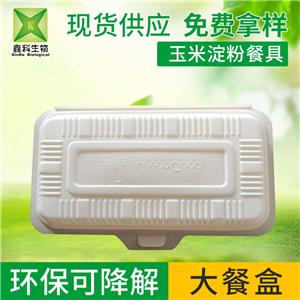
2018-09-14環保餐盒
生物降解澱粉顆粒的酶改性方法

為了提高澱粉顆粒對酶的敏感性,可以對顆粒進行適(shì)當的預處(chù)理以提高反應效(xiào)率。目前常用的(de)預處(chù)理方法有水熱處理、超聲波處理、凍融循環處理和機械處理等。水熱(rè)處理作(zuò)為一種物理預處理方式,包括濕熱(rè)處理(lǐ)和退火處理,且這(zhè)兩種方式都會保留澱粉的顆粒形態。這兩(liǎng)種方式(shì)都需要控製處理(lǐ)過程中澱(diàn)粉的含水量(liàng)、溫度以及加熱時間。
In order to improve the sensitivity of starch granules to enzymes, the granules can be pretreated appropriately to improve the reaction efficiency. At present, the commonly used pretreatment methods include hydrothermal treatment, ultrasonic treatment, freeze-thaw cycle treatment and mechanical treatment. As a kind of physical pretreatment, hydrothermal treatment includes moist heat treatment and annealing treatment, and both of them will retain the granular morphology of starch. Both methods need to control the water content, temperature and heating time of starch during the treatment.
酶法改性澱粉顆粒要保證在酶改性的過程(chéng)中和改性後澱粉的顆粒形態始終(zhōng)得以保留。澱粉的糊化起始溫度多在60 ℃左右,所以酶改性的溫(wēn)度(dù)一般不超過60 ℃。
The granule morphology of starch modified by enzyme should be kept during the process of enzyme modification and after modification. The initial gelatinization temperature of starch is usually about 60 ℃, so the temperature of enzymatic modification is generally not more than 60 ℃.
達到佳的改性時間後,添加酸或堿滅酶,在適當條件下離心後收集的澱粉經過蒸餾水或乙醇溶液洗滌、幹燥,後研磨過篩製得酶法改性的澱粉(fěn)顆粒(lì)。實驗室研(yán)究酶法改性澱粉顆粒常用的幹燥方法有真空(kōng)幹燥、冷凍幹燥和烘箱幹(gàn)燥等。
After the optimal modification time is reached, acid or alkali is added to kill the enzyme, the starch collected after centrifugation under appropriate conditions is washed and dried with distilled water or ethanol solution, and then ground and sieved to obtain enzyme modified starch particles. Vacuum drying, freeze drying and oven drying are the common drying methods for enzymatic modified starch granules.
改性(xìng)生(shēng)物降解(jiě)顆粒的形態結構通常采用(yòng)掃描電子顯微鏡進行分析。掃描電子顯微鏡圖中可以清晰地觀察到顆粒表麵的凹痕和孔洞,還可以根據不同酶解時間澱粉顆粒的電子顯微鏡圖推測出酶對澱粉顆(kē)粒的(de)作用方式和特(tè)點。
The morphology of modified biodegradable particles is usually analyzed by scanning electron microscope. The dents and holes on the surface of starch granules can be clearly observed in the scanning electron microscope. The action mode and characteristics of enzymes on starch granules can also be inferred from the electron microscope images of starch granules with different enzymatic hydrolysis time.
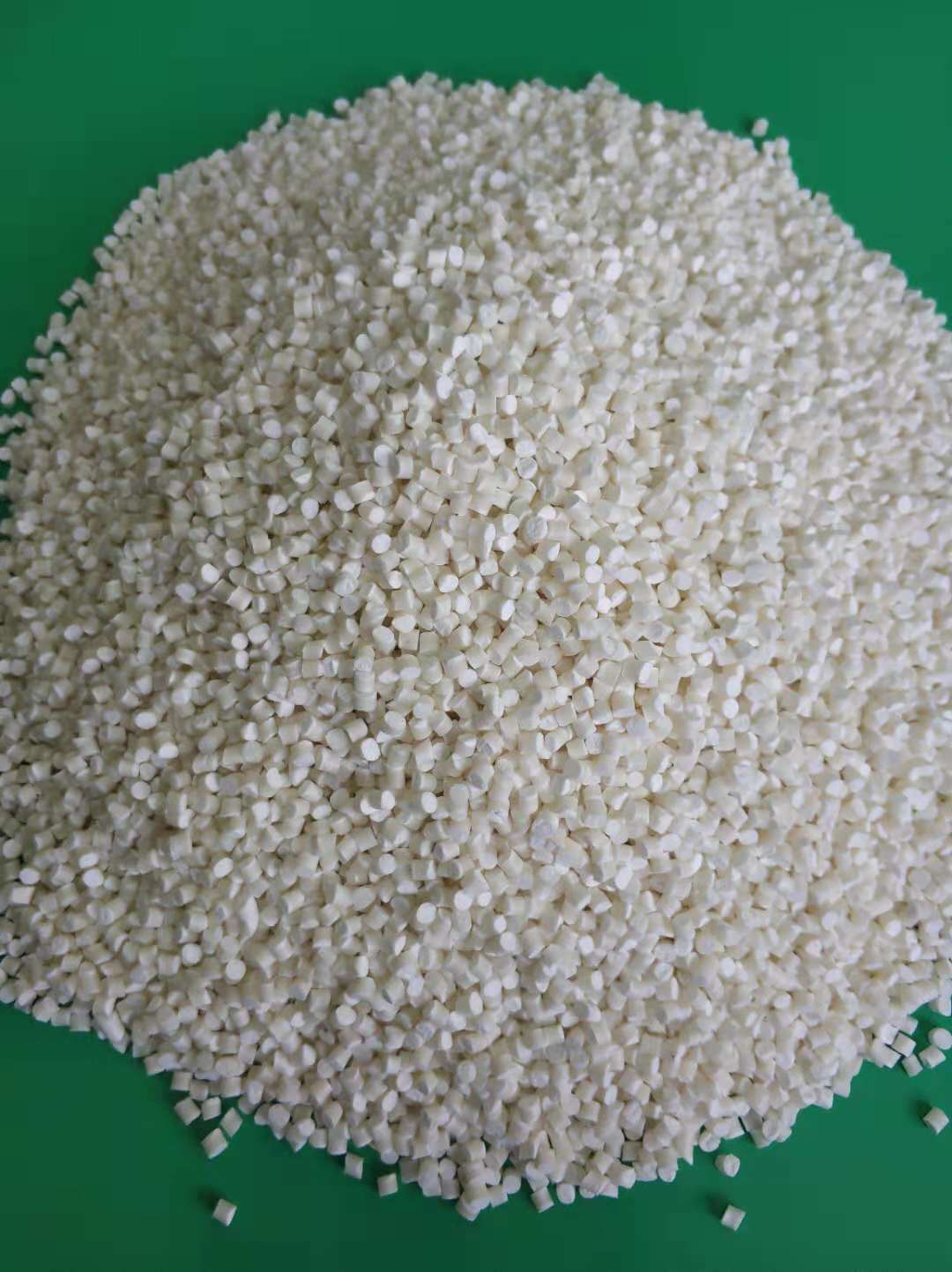
酶改性對澱粉顆(kē)粒的晶(jīng)型和結晶度有不同程(chéng)度的影響,這取決於酶和澱粉的種類以及改性時間。經過分支酶和轉葡糖苷酶的組合修飾後(hòu),馬鈴薯澱粉的晶型由B型結(jié)晶轉變為C型結(jié)晶。馬鈴薯澱粉顆粒晶型的轉變可(kě)能是經酶修飾後,支鏈澱粉(fěn)的B1鏈含(hán)量增加,顆(kē)粒非結晶區的分支密度增加,使分支點間距離的縮短,從而導致澱粉的自發重結晶。
Enzyme modification has different effects on the crystal form and crystallinity of starch granules, which depends on the type of enzyme and starch and the modification time. After modification with branching enzyme and transglucosidase, the crystalline form of potato starch changed from B-type to C-type. The transformation of potato starch granule crystal form may be that after enzyme modification, the B1 chain content of amylopectin increases, the branching density of the non crystalline region of the granule increases, and the distance between branching points shortens, resulting in the spontaneous recrystallization of starch.
由於對澱粉顆粒的改性在(zài)非糊(hú)化條(tiáo)件下進行,所以改性澱粉仍然保(bǎo)留了糊化特性,並且酶對澱粉(fěn)顆粒的修飾會改變其糊化溫度和糊化焓。分支酶修飾木薯澱粉顆粒引起改性(xìng)澱粉糊化起始(shǐ)溫度、糊化峰值溫度和糊化(huà)焓升高。糊化起始(shǐ)溫度的升高(gāo)是由於澱粉顆粒的形態發生了變化,以及直鏈澱粉發生重結晶(jīng)。糊化(huà)焓的提高表明改性使澱粉顆粒結構的穩定性提高。
Because the modification of starch granules was carried out under non gelatinization conditions, the gelatinization properties of modified starch were still retained, and the gelatinization temperature and enthalpy of starch granules were changed by enzyme modification. Modification of cassava starch granules by branching enzymes resulted in the increase of gelatinization initial temperature, gelatinization peak temperature and gelatinization enthalpy of modified starch. The increase of gelatinization initial temperature was due to the change of starch granule morphology and the recrystallization of amylose. The increase of gelatinization enthalpy showed that the stability of starch granule structure was improved by modification.
以上就是今天(tiān)為大家分(fèn)享的關於問題的相關內(nèi)容,希望對大(dà)家能有所幫助,想要了解更(gèng)多內容可以電話(huà)聯係我們(men)或者(zhě)關(guān)注我們的網站https://www.shuiniguan.com。
The above is the relevant content about the problem shared for you today. I hope it can help you. If you want to know more, you can contact us by phones or follow our website https://www.shuiniguan.com 。

相(xiàng)關新聞:
- 一次性環保(bǎo)餐具 :一次性可降解餐具的優點有哪些?2024/05/11
- 可降解顆粒:塑料降解的方法(fǎ)有哪些?2024/05/10
- 玉米澱粉顆粒:玉(yù)米澱粉的功效與作用2024/05/09
- 生物降解顆粒:“全(quán)生物(wù)降解塑料”與“可降(jiàng)解(jiě)塑料”的區別(bié)2024/05/09
- 可降解顆(kē)粒(lì):可(kě)降解塑料顆粒製造(zào)過程詳解2024/05/07
- 一次性環保餐具在不斷提高(gāo)生活水平2024/04/25
- 什麽才是真正的(de)環保餐具?2024/04/22
- 用農作物秸稈生產一次性餐具的技術2024/04/16