-
2018-09-12150碟子
-
2018-09-13一次性環保(bǎo)餐具-碟子
-
2018-09-14一次性可(kě)降(jiàng)解餐具-270ml碗
-
2018-09-14一次性餐具-叉子
-
2018-09-14環保餐盒
首頁 - 資訊動(dòng)態 > 常見問題
洗完的餐具擦幹後細菌超標你(nǐ)知道嗎?
每個碗洗幹淨後,你會在放之(zhī)前用(yòng)抹(mò)布擦幹嗎?在一些中餐廳和西餐廳,經常可以看到工作人員擦(cā)拭餐具,然後放在桌子上。這(zhè)種做法也逐漸被家庭主婦所效仿。但實際上,這個看似很小的細節,卻極易造成(chéng)餐具上細(xì)菌超標,給健康帶來隱患。
After each bowl is washed, will you dry it with a rag before putting it? In some Chinese restaurants and Western restaurants, you can often see the staff wipe the tableware and put it on the table. This practice has gradually been followed by housewives. But in fact, this seemingly small detail is very easy to cause the bacteria on the tableware to exceed the standard, which brings health risks.
布裏有成千上萬的細菌,這意味著一小塊布裏可(kě)能含有(yǒu)成千上萬甚上億的細(xì)菌,包(bāo)括大腸杆菌、沙門氏菌和金黃色(sè)葡萄球菌。一(yī)旦被汙染的餐具上有食(shí)物,它就會通過口腔傳播(bō)給用餐者,導(dǎo)致消化係(xì)統疾病。
Bree has thousands of bacteria, which means a small piece of Bree may contain hundreds of thousands or even hundreds of millions of bacteria, including Escherichia coli, Salmonella and Staphylococcus aureus. Once there is food on the contaminated tableware, it will spread to the diner through the mouth, resulting in digestive system diseases.
有明確規定,經過清潔(jié)的設備和器具接觸(chù)麵的細菌總數應小於100每(měi)平方厘(lí)米。與餐飲業相(xiàng)比,國內大多(duō)數家(jiā)庭不普及洗碗機和櫃台,很難達(dá)到這一標準(zhǔn),隻能靠手工清洗來保證少清潔和。但是,如果在清洗後將剩餘的水分擦幹,就會造(zào)成碗碟和筷子的(de)二次汙(wū)染。以前的清潔工作等於白做。即使是表麵看起(qǐ)來很幹淨的普通清潔(jié)布,其細菌含(hán)量也不會減(jiǎn)少。
It is clearly stipulated by the state that the total number of bacteria on the contact surface of the cleaned equipment and appliances shall be less than 100 per square centimeter. Compared with the catering industry, dishwasher and counter are not widely used in most families in China, so it is difficult to meet this standard. Only by hand cleaning can we ensure at least cleanness and safety. However, if the remaining water is dried after cleaning, it will cause secondary pollution of dishes and chopsticks. Previous cleaning work was done for nothing. Even ordinary cleaning cloth with clean surface will not reduce the bacterial content.
那麽,家中的餐具清洗後應如(rú)何放置(zhì)?答(dá)案是自然控製而不是幹燥。正確的做法是:用流動的清水將餐具內外殘留(liú)的洗滌劑衝洗幹淨,然後放入麗水池的(de)盆裏,其排水後再放入櫥(chú)櫃。
So, how to place the tableware after cleaning? The answer is natural control rather than drying. The right way is to use flowing water to wash the residual detergent inside and outside the tableware, and then put it into the basin of Lishui pool, and put it into the cabinet after drainage.
如(rú)果沒(méi)有瀝青池,建議清潔抹刀、湯匙、洗衣籃(lán)、抹布(bù)等掛在(zài)牆上的掛鉤,並盡量拉開距離;還可以在櫥櫃台麵上放置可以苦澀潤濕的刀、盤架,使其能夠充分自然幹燥。假如一定要有抹布擦拭,一(yī)定要先在沸水中(zhōng)把它燒得很燙,高溫過後再(zài)用。
If there is no asphalt pool, it is recommended to clean the hooks hung on the wall such as spatula, spoon, laundry basket, dishcloth, etc., and try to open the distance as far as possible; it is also possible to place a knife and tray which can be bitterly moistened on the counter top of the cabinet, so as to make it fully and naturally dry. If must have dishcloth to wipe, must burn it very hot in boiling water first, reuse after high temperature.
另外,在外麵吃的時候,很多(duō)人習慣用餐巾紙來擦盤子(zǐ)和筷子,這也是不可取的。一些劣質餐巾紙不符合衛生要求,其中化學殘留物、紙張、各種真菌、大腸杆菌、結核杆菌、肝病都會汙染到餐具上,對人體有害。
In addition, when eating out, many people are used to using napkins to clean plates and chopsticks, which is not desirable. Some inferior napkins do not meet the hygiene requirements, including chemical residues, paper, various fungi, E.coli, tuberculosis, liver disease will be polluted on the tableware, which is harmful to human body.
以上(shàng)是一次性環保餐具廠家為大家介紹的相關(guān)內容,想要了解更多內容,歡迎(yíng)訪問網站:https://www.shuiniguan.comThe above is the relevant content introduced by disposable environmental protection tableware manufacturers. To learn more, please visit the website: https://www.shuiniguan.com
- 上一個: 一次性玉米(mǐ)澱粉(fěn)環保刀叉(chā)勺市場怎麽樣(yàng)?
- 下一個(gè): 一次性玉米澱粉餐具套(tào)裝哪家更好?
 150碟子
150碟子 一次性環(huán)保餐具-...
 一次性可降解餐具...
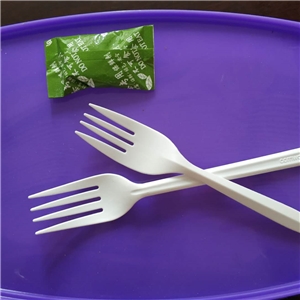 一次性餐具-叉子
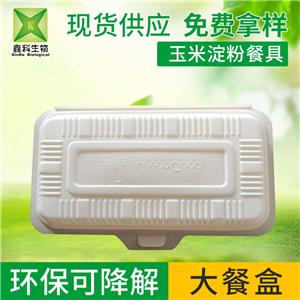 環(huán)保餐盒
相關產品(pǐn):
相關新聞(wén):