-
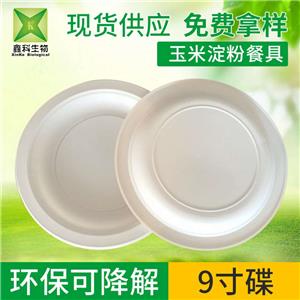
2018-09-12150碟子
-
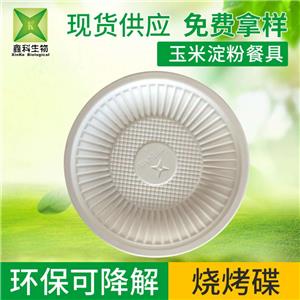
2018-09-13一次性環保餐具-碟子
-
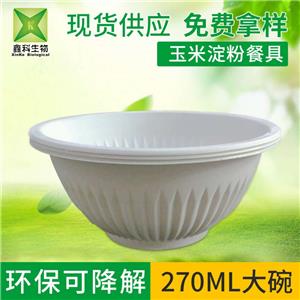
2018-09-14一次性可降解餐具(jù)-270ml碗
-
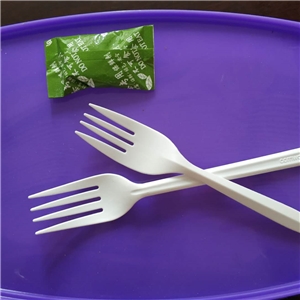
2018-09-14一次性餐具-叉子
-
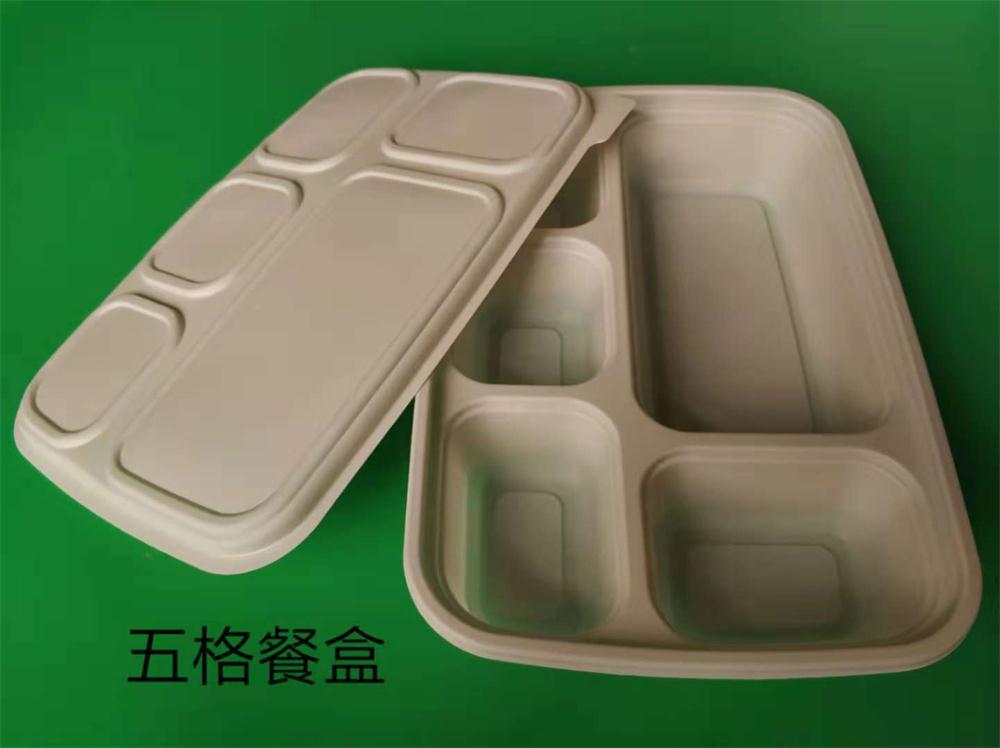
2018-09-14環保餐(cān)盒
首(shǒu)頁 - 資訊動(dòng)態 > 公司快訊
不環保(bǎo)的一次性餐具(jù)能造成多大的危害?

一(yī)次(cì)性塑料(liào)餐具用聚(jù)苯乙烯、聚丙烯、聚氯乙烯等高(gāo)分子化合物製成的塑料製品(pǐn),具有毒性較(jiào)低、熔點較高、可塑性強、生產簡便等特點,成為製造便宜、隨用隨棄的一次性餐(cān)盒的材料。然而,一次(cì)性塑料餐具在帶給我們方便的同時,還會產(chǎn)生多種副作用構成對人體的直接汙染和對環境的二次汙染。
Plastic products made of polystyrene, polypropylene, polyvinyl chloride and other macromolecule compounds for disposable plastic tableware are characterized by low toxicity, high melting point, strong plasticity and simple production. They have become excellent materials for making disposable lunch boxes with low cost and discarded at random. However, disposable plastic tableware can not only bring us convenience, but also produce a variety of side effects, which constitute direct pollution to human body and secondary pollution to the environment.
一次性發泡餐具在生產過(guò)程中(zhōng)要消耗大量屬臭氧層消耗物質的發泡劑,從而危及地球的保護傘———臭氧層;由(yóu)於我國政府已(yǐ)開始限製一次性發泡餐具的生產,所以市麵上(shàng)多有非(fēi)法廠家所生產的餐盒。如此一來,產品(pǐn)質量尤其是(shì)衛生也成了問題;有毒有(yǒu)害物質(如發泡劑),在較高溫(wēn)度下會溶出(chū)並被食物吸收,從而對人體造成微量汙染,長久沉積損害健康。如果有害物質超標,其危害更大;聚苯乙烯製造的餐盒降解周期極長,在普通環(huán)境下可達(dá)200年左右。也就是說,在很(hěn)漫長的(de)一段歲月裏,它將“我行我素”,保持(chí)自(zì)己的高分子形態(tài)不變。因此它不僅破壞了環境,而且給人類的生存帶來了較大(dà)的危害(hài)。
Disposable foamed tableware in the production process to consume a large number of ozone layer depleting substances foaming agent, thus endangering the earth's umbrella - ozone layer; because our government has begun to restrict the production of disposable foamed tableware, so there are many illegal manufacturers on the market. As a result, product quality, especially hygiene, has become a problem. Toxic and harmful substances (such as foaming agents) dissolve at higher temperatures and are absorbed by food, thus causing micro-pollution to the human body and long-term deposition damage to health. If the harmful substances exceed the standard, the harm will be more serious. The degradation period of Polystyrene-Made lunch boxes is very long, which can reach about 200 years in ordinary environment. That is to say, in a long period of time, it will "go its own way" and keep its polymer morphology unchanged. Therefore, it not only destroys the environment, but also brings great harm to human survival.
一次性木筷我國森林覆蓋率僅為16.55%,卻是出口一次性木筷的大國。我國北(běi)方的一次(cì)性(xìng)筷子產業每年要向日本和韓國(guó)出口木筷150億雙,耗材130萬立方米,相當於減少森林蓄積量200萬立(lì)方米。筷(kuài)子在(zài)加工過程中(zhōng)均采用二氧化硫熏蒸的方式漂白,熏蒸的時間越長(zhǎng),筷子(zǐ)越白,聞起來也越(yuè)酸。製造者在(zài)以二氧化硫熏蒸的方式(shì)漂白後,通常忽略水煮步驟(zhòu)。
The forest coverage of disposable wooden chopsticks in China is only 16.55%, but it is a big country exporting disposable wooden chopsticks. The disposable chopstick industry in northern China exports 15 billion pairs of wooden chopsticks to Japan and Korea every year, consuming 1.3 million cubic meters, which is equivalent to reducing the forest stock by 2 million cubic meters. Chopsticks are bleached by sulfur dioxide fumigation in the process of processing. The longer the fumigation time, the whiter the chopsticks are, the more acid they smell. After bleaching by sulfur dioxide fumigation, the manufacturer usually neglects the boiling process.
殘留(liú)的二氧化(huà)硫和其它物質結合便會成為亞硫酸鹽,而亞硫酸鹽在醫學界被認為可能導致哮喘。同時一次性筷子運輸、批發工(gōng)序繁(fán)雜,整個過程多次由不同人經手,而且在運輸儲藏中為了防潮、防蟲(chóng)等,撒上不同的藥品。一次性筷子不僅感官和理化指標達(dá)不到,即使基(jī)本的細菌(jun1)含量等衛生指標也很難達到(dào),存在很大的衛生(shēng)隱患,是導致各種疾病的發(fā)生和傳播的(de)媒介。
Residual sulfur dioxide, combined with other substances, becomes sulfite, which is thought to be a potential cause of asthma in the medical community. At the same time, the transportation and wholesale processes of disposable chopsticks are complicated, and the whole process is handled by different people many times. In order to prevent moisture and insects, different medicines are sprayed in transportation and storage. Disposable chopsticks can not reach not only sensory and physical and chemical indicators, but also the most basic hygienic indicators such as bacterial content. They have great potential health hazards and are the media leading to the occurrence and spread of various diseases.
3000雙一次性筷子等於一棵20年的大樹。我國(guó)每年消耗一次(cì)性筷(kuài)子450億雙,耗費木材166萬立方米,需要砍伐大約(yuē)2500萬棵大樹,減少森林(lín)麵(miàn)積200萬。
3000 pairs of disposable chopsticks are equivalent to a 20-year-old tree. China consumes 45 billion pairs of disposable chopsticks and 1.66 million cubic meters of timber every year. It needs to cut down about 25 million trees and reduce the forest area by 2 million square meters.
今(jīn)天的精彩內容由一次性餐具廠家整理提供,歡迎大家收藏我們的官(guān)網:https://www.shuiniguan.com,我們會定期發布(bù)更(gèng)多的行業(yè)前沿信息,希(xī)望對大家有所幫助!
Today's wonderful content is provided by disposable tableware manufacturers. Welcome to collect our official website: https://www.shuiniguan.com. We will regularly release more industry cutting-edge information, hoping to help you!
- 上一個: 中餐中關於餐具使用的禮儀?
- 下一個: 環保一(yī)次性餐具給(gěi)您一個健康的(de)生活
相關新(xīn)聞:
- 一次性環保(bǎo)餐具 :一次性可(kě)降(jiàng)解餐具的優點有哪些(xiē)?2024/05/11
- 可降解顆粒:塑料降解的方法有哪些?2024/05/10
- 玉米(mǐ)澱(diàn)粉顆粒:玉米澱粉的(de)功效與作用(yòng)2024/05/09
- 生物降解顆粒:“全生(shēng)物降解塑料”與(yǔ)“可降(jiàng)解塑料”的(de)區別2024/05/09
- 可降解顆粒:可降解塑料顆粒製(zhì)造過程詳(xiáng)解(jiě)2024/05/07
- 一次性環保餐具在不斷提(tí)高生活水平(píng)2024/04/25
- 什麽才是真正的環保餐具?2024/04/22
- 用農作物秸稈生產一次性餐具的技術(shù)2024/04/16