-
2018-09-12150碟(dié)子
-
2018-09-13一次性(xìng)環保餐具-碟子
-
2018-09-14一次性可降解餐具-270ml碗(wǎn)
-
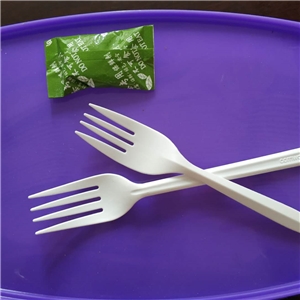
2018-09-14一(yī)次性餐具-叉子
-
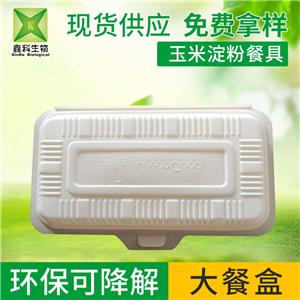
2018-09-14環保餐盒
可降解塑料的使用≠無條件降解

可降解塑料是指使用後在特定自然環境條件下能降(jiàng)解成對環境(jìng)無害的物質,是一大類降解材料的總稱。可降解塑料(liào)出現於上世紀60年代,中間經曆過與傳統塑料混(hún)合的發展階段、通過光熱條(tiáo)件降解的階段,以及通過微生物酶促反應降解的階段。
Degradable plastics refer to the substances that can be degraded and harmless to the environment under specific natural environmental conditions after use. It is the general name of a large class of degradable materials. Degradable plastics appeared in the 1960s, which experienced the development stage of mixing with traditional plastics, the stage of degradation under photothermal conditions, and the stage of degradation through microbial enzymatic reaction.
可降解塑料與傳統塑料(liào)混合(hé)的材料,隻能使傳統塑料更(gèng)易崩解成細(xì)小(xiǎo)碎片,產生更多的微塑料汙染環境,因此不能被認為是可降解的。光熱降解塑料的(de)降解性差,受到溫度、光照強度等自然條件約束。
The mixture of degradable plastics and traditional plastics can only make traditional plastics more easily disintegrate into small fragments and produce more micro plastics to pollute the environment, so it can not be considered degradable. Photothermal degradable plastics have poor degradability, which is constrained by natural conditions such as temperature and light intensity.
例如埋藏在地下的地膜,會由(yóu)於沒有光照而收效甚微或根本無法分解。因此,隻有在生物條件(jiàn)下可降解的塑料,也稱生物可降解塑料,才是真正的可降解(jiě)塑料(liào),才有防(fáng)治塑料汙染的價值。
For example, the plastic film buried underground will have little or no effect due to the lack of light. Therefore, only biodegradable plastics under biological conditions, also known as biodegradable plastics, are real degradable plastics and have the value of preventing and controlling plastic pollution.
人們常存在一個認識誤區(qū):可降解塑(sù)料可以在任何自然環境中降解。實際上,可降解塑料隻有進入特定環境中才具有(yǒu)降解特(tè)性,並非在任何自然條件下都可降解。
People often have a misunderstanding: degradable plastics can be degraded in any natural environment. In fact, degradable plastics have degradation characteristics only when they enter a specific environment, and they are not degradable under any natural conditions.
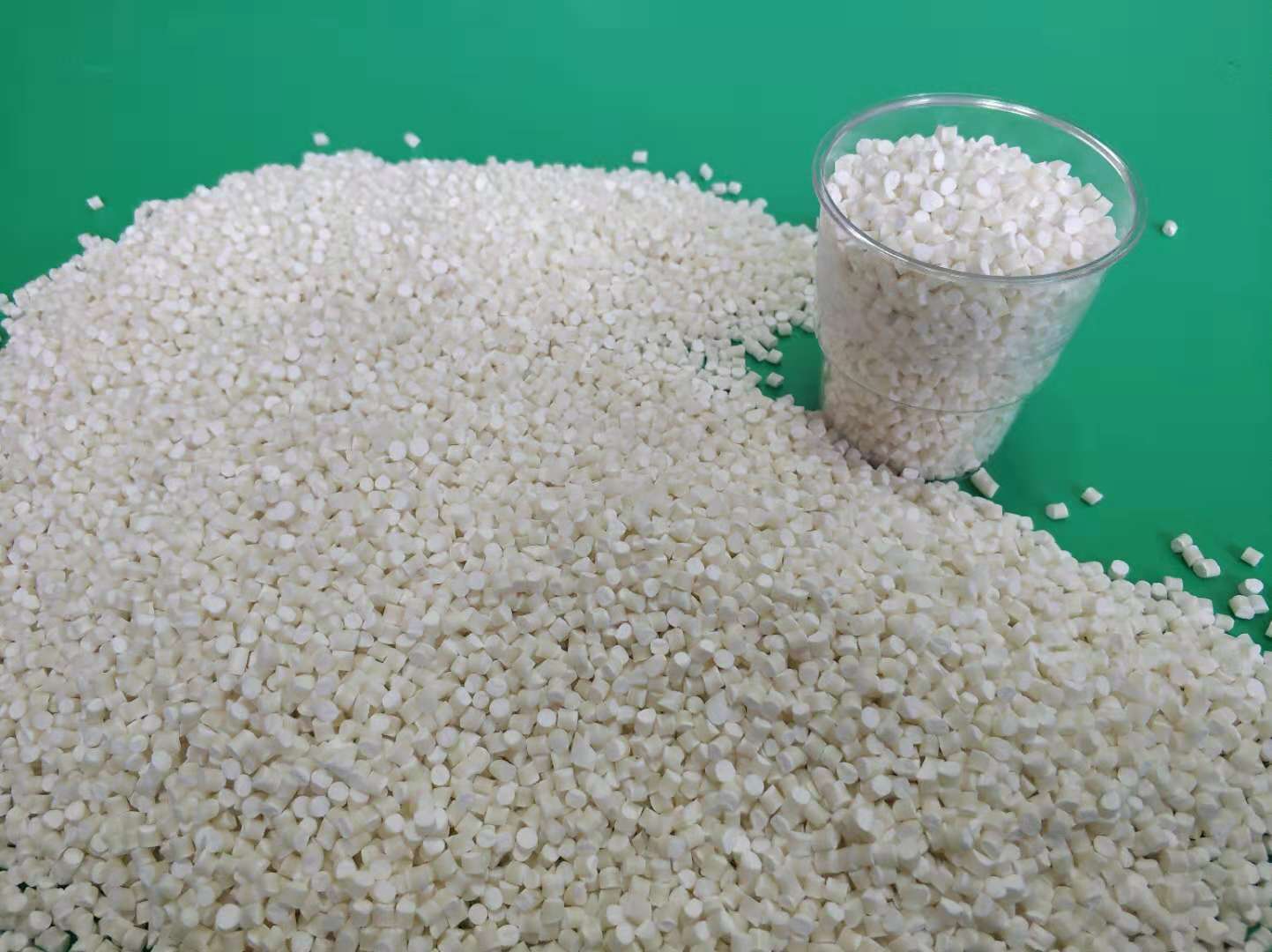
不同的可降解塑料,可以在堆肥、土壤掩埋、淡水等條件(jiàn)下實現(xiàn)塑料降解。但相較於土壤環境(jìng),海(hǎi)洋環境存在高鹽分、低微生物密度的特點,那些在陸地上可以利用微生物(wù)酶促反應降解的塑料製(zhì)品,往往在海洋(yáng)環境中就會降(jiàng)解失效。
Different degradable plastics can be degraded under the conditions of composting, soil burial, fresh water and so on. However, compared with the soil environment, the marine environment has the characteristics of high salinity and low microbial density. Plastic products that can be degraded by microbial enzymatic reaction on land are often degraded and ineffective in the marine environment.
可降解顆粒廠家調查得知道,目前可降解塑(sù)料和其他垃圾混合進入垃圾焚燒(shāo)、填埋設施,實際上與傳統塑料相(xiàng)比不僅沒有環境(jìng)優勢,而且(qiě)可降解塑料昂貴,總體(tǐ)來看(kàn)成(chéng)本效益低。
In fact, compared with other traditional landfill facilities, the price of degradable plastic particles is not only low, but also has no advantages over other traditional landfill facilities.
在焚燒情況下,可降解塑料雖然存在可以生物降解的化學結(jié)構(gòu),但與傳統塑料元素組成區別不大,焚燒之後的碳排放效應和(hé)綜合環境(jìng)影響比較接近。在填埋情況下,可(kě)降解塑料的生物降解特(tè)性,使之進入填(tián)埋設施後的碳排放高於傳統塑(sù)料,綜(zōng)合環境影響會顯(xiǎn)著高於傳統塑料。
In the case of incineration, although biodegradable plastics have biodegradable chemical structure, they are not different from traditional plastics in element composition. The carbon emission effect after incineration is close to the comprehensive environmental impact. In the case of landfill, the biodegradation characteristics of degradable plastics make the carbon emission after entering the landfill facilities higher than that of traditional plastics, and the comprehensive environmental impact will be significantly higher than that of traditional plastics.
此外被送往廚餘垃圾處(chù)理設施的可降解塑料(liào),根本(běn)不會進入設施的(de)發酵環節。絕大(dà)多(duō)數設施的預(yù)處理,會通過多道分選工序剔除塑料(liào)製品形狀的雜質,進入生物質發酵係統中的剩餘可降解塑料製品實際(jì)少於5%。
In addition, degradable plastics sent to kitchen waste treatment facilities will not enter the fermentation process of the facilities at all. In the pretreatment of most facilities, impurities in the shape of plastic products will be removed through multiple sorting processes, and the remaining degradable plastic products entering the biomass fermentation system are actually less than 5%.
由於做不到可降(jiàng)解塑料與傳統塑料(liào)的分類回收,混有可降解塑料的塑料再生製品,其再生價值會降(jiàng)低20%以上。由(yóu)此來看,大規模使(shǐ)用可降解塑料使之混入現有塑料回(huí)收再生體係反而是有害(hài)的,降低了塑料製品循環利用效率。
Since it is impossible to classify and recycle degradable plastics and traditional plastics, the recycling value of plastic recycled products mixed with degradable plastics will be reduced by more than 20%. From this point of view, the large-scale use of degradable plastics mixed with the existing plastic recycling system is harmful, reducing the recycling efficiency of plastic products.
更多(duō)相關內容就來(lái)關注我(wǒ)們(men)的網(wǎng)站吧,讓您了解更為詳細(xì)產(chǎn)品(pǐn)www.shuiniguan.com信息(xī)!
For more relevant content, please follow our website to let you know more about our products at www.shuiniguan.com Com information!
- 上(shàng)一個: 注(zhù)意!別買(mǎi)到仿冒(mào)的環(huán)保餐具
- 下一個: 一次性玉米澱粉餐具越來越受支持的原因
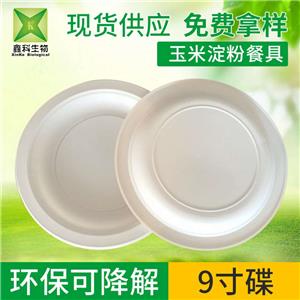 150碟子
150碟子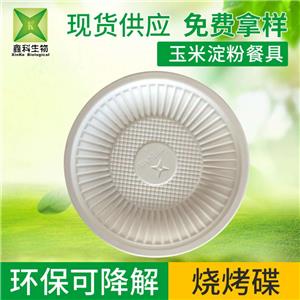 一次性環保餐具-...
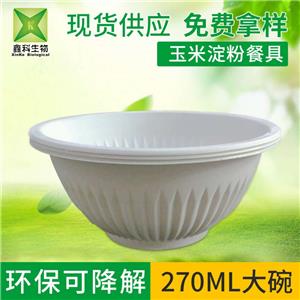 一次性可降解餐具...
 一次性餐具-叉子
 環保餐盒
環保餐盒
相關產品:
相關新聞: