-
2018-09-12150碟子
-
2018-09-13一次性環保餐具-碟子
-
2018-09-14一次性可降解餐具-270ml碗
-
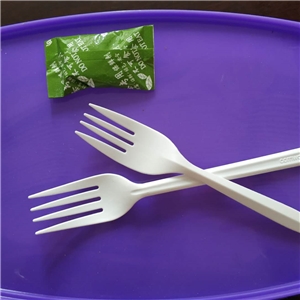
2018-09-14一(yī)次性餐具-叉子
-
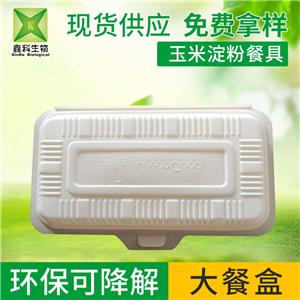
2018-09-14環保餐盒
可生物降解(jiě)塑料餐具(jù)的性(xìng)分(fèn)析

1.1生物可降解塑料
1.1 biodegradable plastics
生(shēng)物可降解塑料是指在自然界如土壤/沙土等條件下,或(huò)特定條件下如(rú)堆肥、厭氧消化、水性培養液中,在自然界存在的微(wēi)生物作用下引(yǐn)起降解,並更終完全降解變成二氧化(huà)碳(CO2)、甲烷(CH4)、水(H2O)及所含元素的礦化無機鹽及新的生物質的塑料。根(gēn)據GB/T20197《降解塑(sù)料的定義、分類、標誌和降解性要求》的技(jì)術要(yào)求,生物分解(降解)塑料的(de)生物分解率必須大於60%。
Biodegradable plastics refer to plastics that degrade under the action of microorganisms in nature under natural conditions such as soil / sandy soil, or under specific conditions such as composting, anaerobic digestion and aqueous culture medium, and finally completely degrade into carbon dioxide (CO2), methane (CH4), water (H2O), mineralized inorganic salts of contained elements and new biomass. According to the technical requirements of GB / t20197 definition, classification, marking and degradability requirements of degradable plastics, the biodegradation rate of biodegradable (degradable) plastics must be greater than 60%.
1.2可堆(duī)肥降解塑料
1.2 compostable degradable plastics
可堆肥降解塑料在可堆(duī)肥化(huà)條件下,由於生物反應過程,可被降解和崩(bēng)解,並更終(zhōng)完全分解成二氧化碳(CO2)、水(H2O)及(jí)其所含元素的(de)礦化無機鹽以及新的生物質,並且形成的堆肥的(de)重金屬含(hán)量、毒性試(shì)驗、殘留碎片等應符合相關標準規定。生物分解(降解)塑料的生物分解(jiě)率也必須大於60%。
Under compostable conditions, compostable degradable plastics can be degraded and disintegrated due to biological reaction process, and finally completely decomposed into carbon dioxide (CO2), water (H2O), mineralized inorganic salts of its elements and new biomass. The heavy metal content, toxicity test and residual fragments of the final compost shall comply with relevant standards. The biodegradation rate of biodegradable plastics must also be greater than 60%.
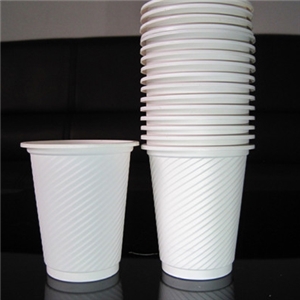
從定義可以看出(chū),上述兩(liǎng)種材(cái)料的降(jiàng)解原理基本相同,主要(yào)通過微生物作用引起的塑料降解,材料分解成小分子物質和新的生物質。上述兩種材料在下文簡稱為“生物可降解塑料”。
It can be seen from the definition that the degradation principles of the above two materials are basically the same, mainly through the plastic degradation caused by microbial action, and the materials are decomposed into small molecular substances and new biomass. The above two materials are hereinafter referred to as "biodegradable plastics".
從目前市場上銷售的餐具產品看,其主要的(de)材料成分有:可(kě)生物降解材料和(hé)非降(jiàng)解材料製成的混(hún)合塑料,如聚乳酸+聚丙烯、聚乳酸+密(mì)胺等;標稱可全生物降解的混合物,如聚乳酸+澱粉(玉米、木薯)、聚乳酸+竹粉、聚(jù)乳酸+稻殼等;標稱可(kě)生物降解的含有生物質的(de)塑料,如聚丙烯(xī)+澱粉、聚丙烯+稻殼纖維等(děng)。
From the tableware products sold on the market at present, the main material components are: mixed plastics made of biodegradable materials and non degradable materials, such as polylactic acid + polypropylene, polylactic acid + melamine, etc; Nominal fully biodegradable mixture, such as polylactic acid + starch (corn, cassava), polylactic acid + bamboo powder, polylactic acid + rice husk, etc; Nominal biodegradable plastics containing biomass, such as polypropylene + starch, polypropylene + rice husk fiber, etc.
產品說明書標注不一。有標識標注可使用微波,有標識標注不可使用微波;有(yǒu)標識注明(míng)餐具使(shǐ)用溫度,有標識不注明使用溫度;個別標識標注遷移量,如在正己(jǐ)烷、4%乙(yǐ)酸(suān)、水(shuǐ)在(zài)70℃2h條件下的遷移量,絕(jué)大(dà)多數則不標注遷移條(tiáo)件和遷(qiān)移量。
There are different marks in the product manual. Microwave can be used if there are signs, and microwave cannot be used if there are signs; The maximum temperature of tableware is marked, and the temperature is not marked; Individual labels indicate the migration amount, such as the migration amount of n-hexane, 4% acetic acid and water at 70 ℃ for 2h, while most do not indicate the migration conditions and migration amount.
以上的精彩內容來自:一次性玉米澱粉餐具更多的精彩內容來自:https://www.shuiniguan.com,我們後續會有更多的內容等(děng)您查看.
The above highlights come from: disposable corn starch tableware, and more highlights come from: https://www.shuiniguan.com , we will have more content for you to check later
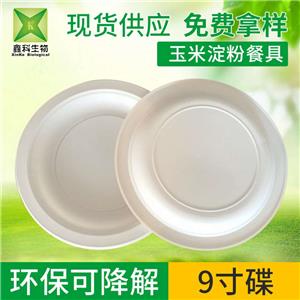 150碟子
150碟子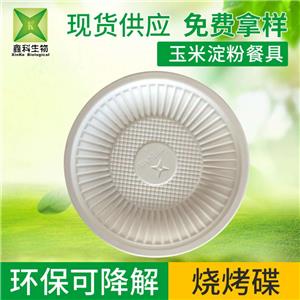 一次性環保餐具-...
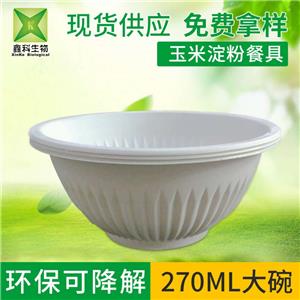 一次性可降解餐具...
 一次性餐具-叉子
 環保餐盒
環保餐盒
相關產品(pǐn):