-
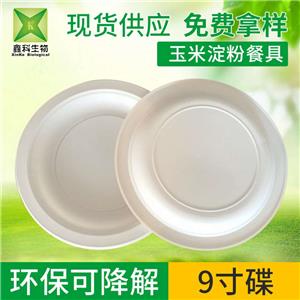
2018-09-12150碟子
-
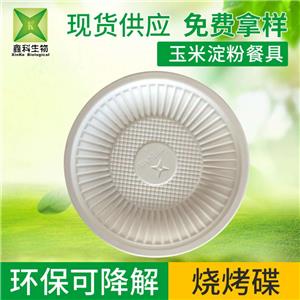
2018-09-13一次性環保餐具-碟子
-
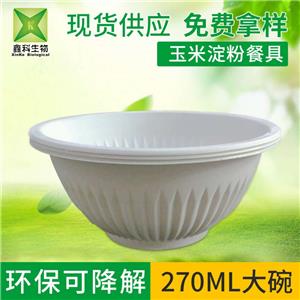
2018-09-14一次性可降解餐具-270ml碗
-
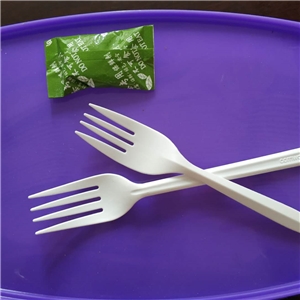
2018-09-14一次(cì)性餐具-叉子
-
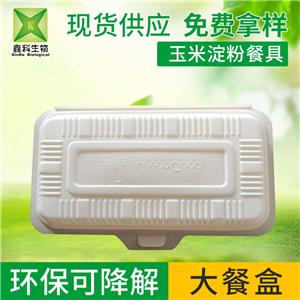
2018-09-14環(huán)保餐盒
首頁 - 資訊動(dòng)態 > 公(gōng)司快訊
如何為寶寶選擇健康的(de)餐具?
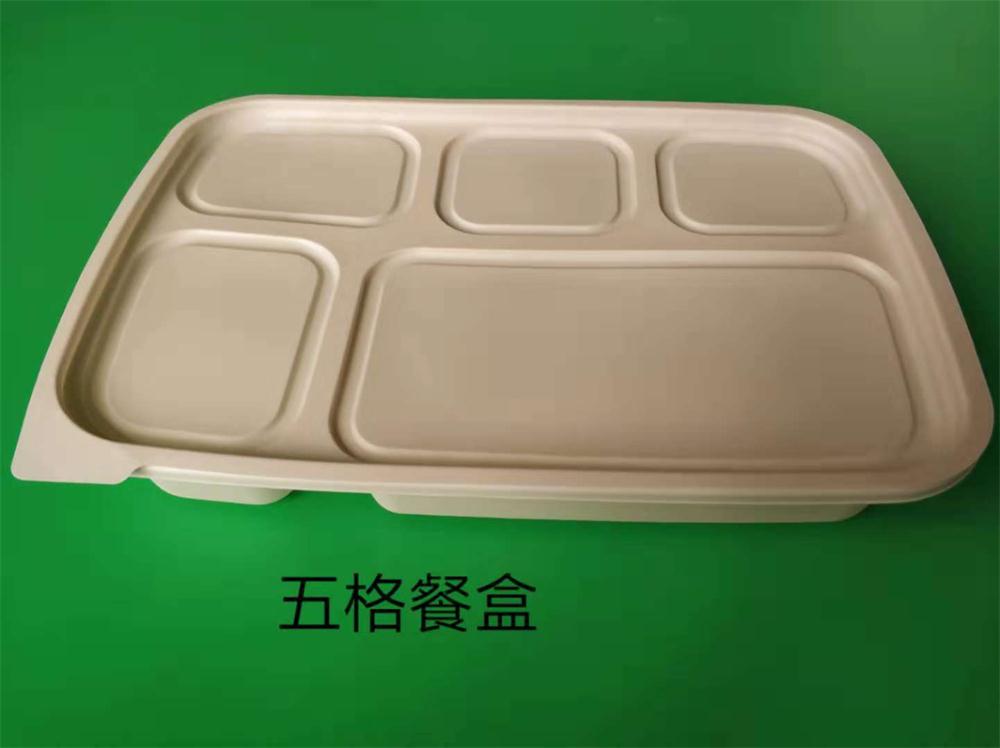
餐具對於孩子來說,並不是盛飯、吃飯那麽簡單。孩子在不經意間或許就會鉛中毒,這類問題讓父(fù)母們十分(fèn)頭疼。擁有一套自(zì)己喜歡的餐具,可以培養寶(bǎo)寶的就餐興趣。在寶寶三歲之前,手部肌肉力量不足,雙手缺乏(fá)協調性,自主端碗吃飯能鍛煉手腕小肌肉群的協調力。今天一次性餐(cān)具廠家(jiā)的小編(biān)就給大家總結一下,爸爸媽媽如何合理的為寶寶(bǎo)選擇適(shì)合的(de)餐具。
Tableware for children is not as simple as a meal or meal. Children may accidentally become lead poisoned, which is a headache for parents. Having a set of cutlery you like can cultivate your baby's interest in eating. Before the baby's three years old, the hand muscle strength is insufficient, the hands lack coordination, independent bowl eating can exercise the coordination of small wrist muscle groups. Today, the small edition of disposable tableware manufacturers will give you a summary of how parents can reasonably choose suitable tableware for their babies.
1.彩色餐具易可能引起鉛中毒 彩色餐具的裝飾圖案及一些色彩鮮豔的塑料餐具存在著隱患。比如彩色的陶瓷餐具使用的顏料一般(bān)都含有一定量的鉛,有的含有鎘,長期使用這些餐具盛放醋、果汁、蔬菜等有機酸含量高的食品時,餐具中的鉛等重(chóng)金屬就會溶(róng)出並隨食品一起進入人(rén)體蓄積,久而久之(zhī),就會引發慢性鉛中毒。寶寶吸收鉛的(de)速度比成人快6倍,過量的鉛會(huì)對寶寶的智力發(fā)育產生負麵(miàn)影(yǐng)響。
1. Coloured tableware may easily cause lead poisoning. The decorative patterns of coloured tableware and some colourful plastic tableware have potential safety hazards. For example, the pigments used in color ceramic tableware generally contain a certain amount of lead, and some contain cadmium. When these tableware is used for a long time to hold food with high organic acid content such as vinegar, fruit juice and vegetables, the heavy metals such as lead in tableware will dissolve and enter the human body's accumulation together with food. Over time, it will lead to chronic lead. Toxicity. Babies absorb lead six times faster than adults, and excessive lead will have a negative impact on their intellectual development.
2.容(róng)易破碎的餐具 由於寶寶的手還十分笨拙,“失手”便可能頻頻發生。一(yī)方麵會造成食物和用具的浪費,另一方麵還可能劃傷孩子,此(cǐ)外,也容易喪失孩子學習自行用餐的(de)信心。可以選擇正規、的仿瓷、塑料餐(cān)具,如聚乙烯、聚苯乙(yǐ)烯(xī)、聚丙(bǐng)烯塑(sù)料製(zhì)品等。不要用再生(shēng)塑料或添(tiān)加(jiā)深(shēn)色色素的塑(sù)料及非食品用(yòng)塑料盛放或包裝食品。仿瓷餐具底部都有企業詳細信息及生產許可證(zhèng)QS標誌和編號;看(kàn)產品是否上色均勻,是否有變形,表麵是否(fǒu)光滑等(děng);買回家後,用開水煮半小時,晾半小時後再煮半小時,反複(fù)四次,若有發白和(hé)黑點,則是質量不過關的次品。
2. Easy to break tableware because the baby's hands are still very clumsy, "lost hands" may occur frequently. On the one hand, it will cause waste of food and utensils, on the other hand, it may scratch children, in addition, it is easy to lose children's confidence in learning to eat by themselves. Regular and safe imitation porcelain and plastic tableware can be selected, such as polyethylene, polystyrene, polypropylene plastic products, etc. Do not use recycled plastics or plastics with dark pigments or non-food plastics to store or package food. At the bottom of imitation porcelain tableware, there are enterprise details and production license QS signs and numbers; see if the product is uniformly colored, deformed, smooth surface, etc. After buying home, boil it in boiling water for half an hour, then boil it for half an hour after airing for half an hour, repeated four times, if there are whitening and black spots, it is a defective product of poor quality.
3.西式餐具存在隱患 讓孩子過早接觸西式餐具存在隱患(huàn),因為西(xī)式餐具中的刀、叉都既堅硬又尖銳(ruì),容易將孩子的口唇刺破,造成傷害。另外,西式餐具裏(lǐ)的刀叉等通常是用不(bú)鏽鋼材質製作的,使用時(shí)不能長時間盛(shèng)放鹽、醬油(yóu)、醋等。不鏽鋼的碗(wǎn)是不錯的選擇,但是不能用微波爐加熱,而(ér)且要經常用熱水煮或高溫蒸,既除(chú)油垢,又。
3. Western-style tableware has potential safety hazards, which make children contact Western-style tableware too early. Knives and forks in Western-style tableware are both hard and sharp, which can easily pierce children's lips and cause injury. In addition, the knives and forks in Western-style tableware are usually made of stainless steel, so salt, soy sauce, vinegar and so on can not be used for a long time. Stainless steel bowl is a good choice, but it can not be heated in microwave oven, and often boiled in hot water or steamed at high temperature, which can remove grease scale and disinfect.
4.難清潔的餐具 有(yǒu)些餐具由於(yú)形狀、設計(jì)或質(zhì)地上的原(yuán)因往往(wǎng)不易清洗幹淨,或不能進行高(gāo)溫,由此油汙和(hé)細菌(jun1)比較容易附著在上麵,所以也不是兒童的理想餐具。
4. Difficult to clean tableware has some tableware because of shape, design or texture reasons are often not easy to clean, or can not be high temperature disinfection, thus oil and bacteria are relatively easy to adhere to it, so it is not ideal tableware for children.
5.筷子 一般情況下,寶寶到(dào)了3-4歲時才可練習使用筷子。有些家長會要求(qiú)寶寶過早地使用筷子,不但有揠苗助長之嫌,更可能會因為動作不協調弄得一地(dì)飯菜。加上有的爸媽脾氣火爆加以責怪或(huò)訓斥,寶寶進餐的積(jī)極性和食欲就會大打折扣。
5. Chopsticks are usually used by babies until they are 3-4 years old. Some parents will ask their babies to use chopsticks prematurely, not only because of the suspicion of helping the seedlings, but also because of the uncoordinated movements to get a meal. Additionally, some parents are hot-tempered to blame or reprimand, the baby's enthusiasm and appetite for meals will be greatly reduced.
感謝大家的(de)認真閱讀,如果大家後(hòu)續有問題要了解,歡迎谘詢一次性餐具官網的客服(fú)人員,相信我們(men)會(huì)給您一個滿意的答複,https://www.shuiniguan.com
Thank you for your serious reading. If you have any questions to follow up, please consult the customer service staff of the Disposable Tableware Official Website. I believe we will give you a satisfactory answer at https://www.shuiniguan.com.